Introduction to Coin Collecting
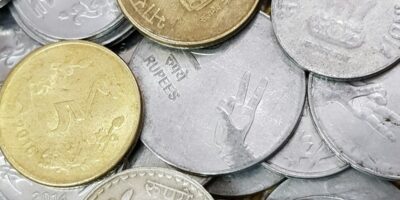
Coin collecting has gotten complicated with all the conflicting advice, grading debates, and questionable online listings flying around. As someone who’s been deep in numismatics for years — from sorting through junk boxes at flea markets to bidding at major auctions — I learned everything there is to know about starting and growing a collection the right way. This guide covers the essentials so you don’t have to learn everything the hard way like I did.
Why Collect Coins
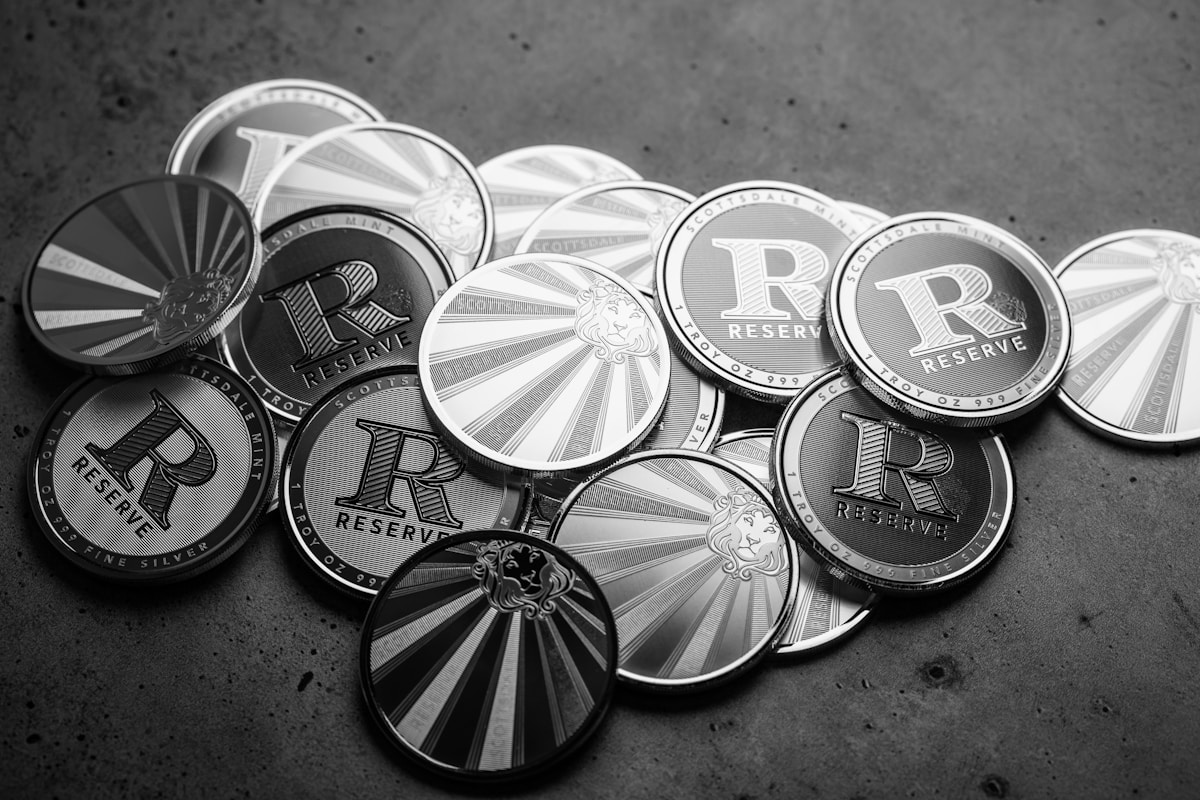
People come to coin collecting for all sorts of reasons. Some are drawn to the history each coin represents — and honestly, that’s what hooked me initially. Others appreciate the artistry and craftsmanship. Plenty of collectors see coins as investments that can appreciate over time. Whatever pulls you in, the hobby delivers rewards both tangible and intangible.
That’s what makes numismatics endearing to us collectors — it’s incredibly accessible. You can literally start with pocket change and work your way up to rare pieces as your knowledge and budget grow. Unlike many collectibles, coins have intrinsic metal value providing a baseline for their worth. I started with a jar of wheat pennies my grandmother gave me, and that grew into something I never expected.
Getting Started
Begin by deciding what type of coins actually interest you. Popular categories include:
- US type coins — one example of each design across denominations
- Date and mintmark sets — collecting every year and mint for a specific series
- Error coins — mistakes made during minting that create unique pieces
- World coins — international pieces from different countries and eras
- Ancient coins — pieces from historical civilizations
Start small and learn as you go. I can’t stress this enough. Many successful collectors began with a single coin that caught their eye. Don’t rush to buy expensive pieces before you have the knowledge to evaluate them properly.
Essential Supplies
Probably should have led with this section, honestly. Every collector needs proper supplies to protect their investment:
Holders and Flips: These protect individual coins from handling and environmental damage. Always choose acid-free materials — PVC holders will damage your coins over time, and I learned that lesson the hard way with a few early purchases.
Albums: For organized collections, coin albums provide excellent storage and display. Dansco and Whitman offer quality options for most U.S. series. There’s something satisfying about seeing your collection laid out in a well-organized album.
Magnification: A good loupe or magnifying glass is essential for examining details and identifying varieties. Start with 5x to 10x magnification. I keep a 10x loupe on my desk and a pocket version in my bag for shows.
Reference Books: The Red Book (Guide Book of United States Coins) is non-negotiable for any U.S. coin collector. Specialized books cover specific series in depth, and they’ll save you from expensive mistakes.
Understanding Coin Grades
Grading is fundamental — it’s the language of coin collecting. The Sheldon scale runs from 1 to 70:
Poor (P-1) to About Good (AG-3): Heavily worn coins with minimal detail visible. These are the coins you find in junk boxes at shows.
Good (G-4) to Very Good (VG-8): Major design elements visible but well worn. Still collectible, especially for key dates.
Fine (F-12) to Very Fine (VF-35): Moderate wear with clear details. This is the sweet spot for many budget-conscious collectors.
Extremely Fine (EF-40) to About Uncirculated (AU-58): Light wear on high points only. Attractive coins that don’t break the bank.
Mint State (MS-60 to MS-70): No wear at all. MS-70 is theoretical perfection — you’ll almost never see it on vintage coins. Even the difference between MS-63 and MS-65 can mean significant price jumps.
Third-party grading services like PCGS and NGC provide professional opinions sealed in protective holders. This authentication is especially important for valuable coins, and I’d consider it essential for any purchase over a few hundred dollars.
Where to Buy Coins
Several venues offer coins, and I’ve used them all:
Local Dealers: Building relationships with reputable dealers gives you access to their expertise and first crack at new acquisitions. My local dealer has tipped me off to some great pieces over the years.
Coin Shows: These events bring together dozens of dealers and collectors. Shows are excellent for comparing prices and finding unusual pieces. I try to attend several each year.
Online Auctions: Heritage, Stack’s Bowers, and eBay offer massive selections. Research seller ratings carefully, especially on eBay. I’ve had mostly positive experiences buying online, but due diligence is everything.
Coin Clubs: Local and national organizations connect collectors with shared interests. Club meetings and trading sessions have introduced me to some of my best finds and closest friends in the hobby.
Avoiding Common Mistakes
I made most of these mistakes early on, so learn from my experience:
Never clean coins: I cannot emphasize this enough. Cleaning destroys original surfaces and dramatically reduces value. Even gentle cleaning leaves evidence that experienced eyes will spot immediately. Just don’t do it.
Buy the book before the coin: Knowledge prevents costly mistakes. Study before making any significant purchase. The $30 you spend on a reference book can save you hundreds or thousands in bad purchases.
Quality over quantity: One excellent coin beats ten mediocre ones. Focus on condition and eye appeal. I’ve sold off plenty of lower-quality pieces to upgrade to fewer, better coins — and my collection is stronger for it.
Beware of counterfeits: Fake coins are increasingly sophisticated. Buy from reputable sources and consider third-party grading for expensive pieces. If a deal seems too good to be true, walk away.
Building Value Over Time
Smart collecting can build real value. Focus on key dates and low-mintage issues — these tend to appreciate most consistently. Condition remains king: the difference between grades often means substantial price gaps.
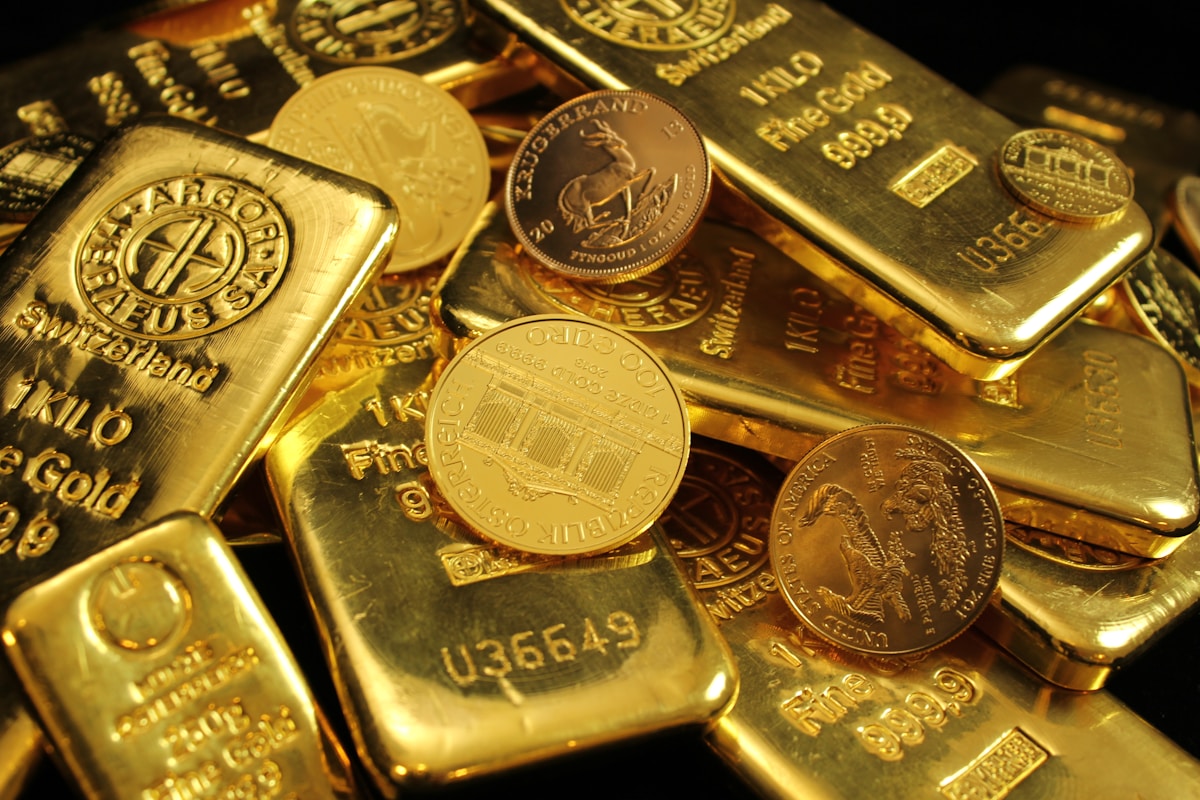
Diversify across series and metals. Gold, silver, and copper each respond differently to market conditions. A balanced collection provides stability and hedges against any single market downturn.
Document everything. Keep receipts, photographs, and notes about every acquisition. This provenance adds value and helps with insurance or eventual sale. I maintain a spreadsheet tracking what I paid, when, and from whom — it’s been invaluable.
The Joy of the Hunt
Here’s the truth that keeps us all in this hobby: the greatest reward is the thrill of discovery. Finding a valuable coin in circulation, winning an auction after careful research, or completing a set you’ve been building for years creates lasting satisfaction that has nothing to do with monetary value.
The numismatic community welcomes newcomers with open arms. Join local clubs, participate in online forums, and attend shows. Some of the best friendships I’ve formed have come through this shared passion, and honestly, those connections have become as valuable as the coins themselves.
Welcome to the Hobby
Coin collecting offers something for everyone. Whether you’re seeking historical connection, artistic appreciation, investment potential, or simply an engaging way to spend your time, numismatics delivers on all fronts. Start with what genuinely interests you, learn continuously, and enjoy the journey. The rabbit hole goes deep, and that’s exactly what makes it worth exploring.