Coin evaluation has gotten complicated with all the conflicting advice flying around online. As someone who’s been buying and selling coins at shows and through dealers for years, I learned everything there is to know about evaluating coins before purchase. Whether you’re browsing a coin show, scrolling through an online auction, or sitting across from a local dealer, these guidelines will help you avoid the costly mistakes I made early in my collecting journey.
The Five-Point Quick Check
Before I spend money on any coin, I run through this mental checklist. It’s saved me from bad purchases more times than I can count.
1. Authenticity First
Is the coin genuine? Probably should have led with this section, honestly — it’s the most critical question of all. Check the weight using a precision scale, verify the diameter with calipers, and confirm the metal composition feels right. Counterfeit detection starts with knowing exactly what real coins should look, feel, and weigh like. I keep reference specimens of common series so I can compare directly. When any doubt exists, only buy certified coins from reputable third-party grading services like PCGS or NGC.
2. Grade Assessment
What’s the honest grade? I’ve learned to evaluate wear patterns on high points, check for original mint luster and its quality, and examine surface preservation including contact marks. Compare what you see to published grading standards and photographs — don’t trust your gut alone until you’ve got years of experience. For anything worth significant money, professional third-party grading beats your own assessment or dealer opinions every time. I’ve been surprised by grading results enough times to know this is true.
3. Problem Detection
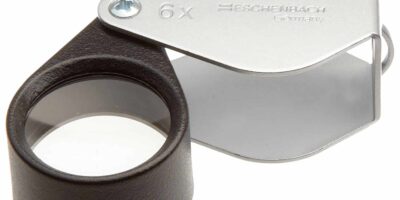
Has the coin been cleaned, damaged, repaired, or artificially altered? This is where a good loupe becomes essential. Watch for these red flags:
- Unnatural brightness or hairline scratches that suggest harsh cleaning
- Rim damage, deep scratches, or heavy contact marks from mishandling
- Evidence of tooling, smoothing, or artificial enhancement of details
- Environmental damage including corrosion, spotting, or PVC contamination from bad storage
- Artificial toning applied to disguise problems or simulate age — this one trips up a lot of collectors
- Filled holes, removed mountings, or repaired damage that’s been smoothed over
4. Fair Market Pricing
That’s what makes informed collecting endearing to us numismatists — knowing when a price is right. Always check recent auction results from major houses, consult current price guides including the Red Book and Grey Sheet, and compare offerings from multiple dealers. Premium pricing should only reflect genuine rarity, exceptional quality, or documented provenance — not a dealer’s optimistic hopes. I keep a running log of auction results for the series I collect.
5. Personal Collection Fit
Does this coin actually belong in your collection? I ask myself three questions: Does it fit my stated collecting goals? Can I comfortably afford it? Does it advance my long-term plans? The best purchases are always coins I genuinely enjoy owning and studying, not impulse buys I regret later. And trust me, I’ve made enough impulse purchases to know the difference.
Critical Red Flags
Walk away immediately from any deal that feels off. I’ve learned to trust my instincts on these:
- Pressure tactics pushing you toward immediate decisions — good coins will still be there tomorrow
- Reluctance to provide documentation or provenance
- Prices significantly below established market values — if it seems too good to be true, it almost always is
- Sellers who won’t let you examine coins under magnification
- Raw coins claimed to be high grade without certification
- Vague stories about “estate finds” or “grandpa’s collection” without supporting evidence
Building Your Knowledge Base
The more you learn, the better your collecting decisions become. Study authoritative reference books for your areas of interest. Attend local coin club meetings to learn from experienced collectors who’ve been doing this for decades. Handle as many genuine coins as possible at shows and shops — nothing replaces the hands-on experience of examining real coins. Mistakes will happen, and while they’re costly, they teach lessons you won’t forget. Some of the most valuable things I know about numismatics came from purchases that didn’t go the way I planned.
Essential Resources
- PCGS and NGC online price guides and population reports — I check these regularly
- Heritage Auctions archives for realized prices — invaluable for understanding actual market values
- American Numismatic Association educational resources
- Specialty references for whatever series you’re focusing on
Happy collecting, and may your purchases bring the kind of lasting satisfaction that keeps you in this hobby for years to come.