
Cleaning dug coins has gotten complicated with all the contradictory advice flying around online. As someone who’s been metal detecting and collecting for years, I learned everything there is to know about this topic — often through painful trial and error. The moment you pull an old coin from the ground, you face a critical choice: to clean or not to clean. The wrong call can turn a $1,000 find into a $10 slug. The right approach preserves value while revealing enough detail to identify and enjoy your discovery.
This guide covers when to clean, when to leave coins alone, and the safest methods for each situation. Probably should have led with the golden rule, honestly, so here it is.
The Golden Rule: When in Doubt, Don’t Clean
Collectors and dealers universally agree on this one: An original, uncleaned coin is worth more than a cleaned one. Cleaning strips away the natural patina — that surface coloring that develops over decades or centuries. To experienced eyes, a cleaned coin looks “wrong,” and it brings a lower price every time. I ruined a couple of potentially valuable finds early in my detecting days before this lesson really sank in.
Never Clean These Coins
- Key dates: 1909-S VDB, 1916-D Mercury dime, 1916 Standing Liberty — if it’s a known key date, hands off
- Coins in excellent condition: If the details are sharp, you’ll only make things worse
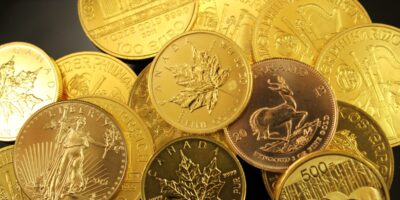
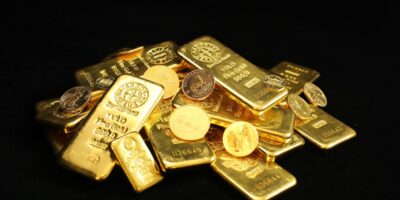
- Gold coins: Never clean gold. Period. Bring it to a professional
- Silver coins with natural toning: Rainbow toning actually adds value — collectors pay premiums for it
- Any coin you might sell: Let the buyer decide what, if anything, to do
- Ancient or colonial coins: Consult an expert first. These require specialized knowledge
When Cleaning Makes Sense
That’s what makes this topic endearing to us collector-detectorists — it’s not black and white. Some coins are perfectly fine to clean for personal enjoyment:
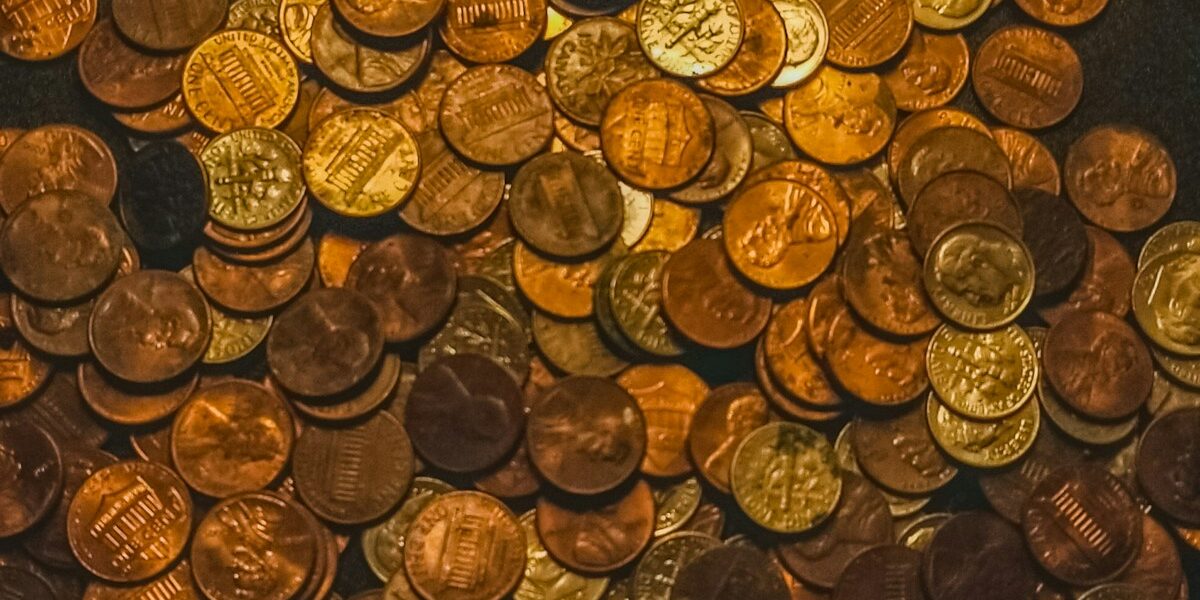
- Common date wheat pennies: Worth a nickel or a quarter anyway — clean to your heart’s content
- Modern clad coins: No collector value to worry about
- Badly corroded coins: Already damaged beyond numismatic value
- Coins for your personal collection: If you’re keeping them, it’s your call
- Coins you need to read the date on: Sometimes identification requires gentle cleaning
Safe Cleaning Methods
Method 1: Distilled Water Rinse (Safest)
Best for: All coins, initial cleaning after digging
- Fill a container with distilled water — not tap water, since minerals can stain
- Soak the coin for 5-10 minutes
- Gently rub with your fingers underwater to remove loose dirt
- Pat dry with a soft cloth — don’t rub
- Allow to air dry completely before storage
Pros: Literally cannot damage the coin
Cons: Only removes loose surface dirt. But that’s often enough to read a date.
Method 2: Olive Oil Soak (Copper/Bronze)
Best for: Copper and bronze coins with heavy encrustation
- Place coins in a container of pure olive oil
- Soak for days to weeks — patience is non-negotiable here
- Check periodically and gently wipe with cotton
- When dirt softens, carefully remove with a wooden toothpick
- Rinse in distilled water, pat dry
Pros: Very gentle, preserves the patina
Cons: Takes weeks or even months. I’ve had coins sitting in olive oil for three months before they were ready. Not for the impatient.
Method 3: Baking Soda Paste (Copper Pennies)
Best for: Common copper pennies you want to brighten up
- Make a paste of baking soda and water
- Apply with a soft cloth or your fingers
- Rub gently in circular motions
- Rinse thoroughly with distilled water
- Pat dry immediately
Pros: Removes grime effectively
Cons: Mildly abrasive — it will affect the patina. Only use on common-date coins you don’t plan to sell.
Method 4: Electrolysis (Advanced)
Best for: Heavily encrusted iron relics; absolute last resort for coins
Electrolysis uses electrical current to strip corrosion. It works, but it’s aggressive and risky for anything with numismatic value.
Basic Setup:
- 12V power supply (an old phone charger works in a pinch)
- Container with water and washing soda solution
- Graphite or carbon anode — NOT stainless steel, which creates toxic chromates
- Clips to connect the coin (negative) and anode (positive)
Warning: Electrolysis strips patina completely. Only use on coins already damaged beyond collectible value. The process produces hydrogen gas, so work in a ventilated area away from open flames. I use this primarily for iron relics, almost never for coins.
Methods to AVOID
Never Use These on Coins
- Wire brushes or abrasives: Create micro-scratches visible under any decent magnification
- Baking soda on silver: Too abrasive for silver surfaces
- Vinegar: Acid damages coin surfaces permanently
- Lemon juice: Acid etches the metal — I’ve seen people destroy nice coins this way
- Commercial coin cleaners: Most are far too harsh despite what the labels claim
- Tumbling: Creates an unnatural shine that screams “cleaned” to any collector
- Scrubbing with a toothbrush: Even soft bristles leave scratches under magnification
Cleaning by Metal Type
Copper Coins (Pennies, Large Cents)
| Safe: | Distilled water, olive oil soak |
| Okay for common dates: | Baking soda paste |
| Avoid: | Acids, electrolysis, abrasives |
Silver Coins
| Safe: | Distilled water only |
| Okay for damaged coins: | Aluminum foil + baking soda bath (removes tarnish via ion exchange — not abrasion) |
| Avoid: | Dipping solutions, abrasives, anything acidic |
Gold Coins
| Best practice: | Don’t clean. Take it to a professional. Seriously. |
| If you absolutely must: | Warm distilled water, gentle soap, pat dry |
Preserving Cleaned Coins
After Cleaning
- Dry completely: Any residual moisture causes new corrosion faster than you’d think
- Handle by edges: Fingerprint oils cause spots that develop over time
- Store properly: 2×2 cardboard flips or non-PVC holders
- Keep dry: Silica gel packets in your storage area are cheap insurance
Long-Term Storage
- Avoid PVC: It damages coins over time, leaving that dreaded green slime. I’ve seen it destroy collections.
- Use archival-quality holders: Mylar flips and SAFLIP holders are the way to go
- Control humidity: Store with desiccants in a stable environment
- Don’t stack loose coins: They scratch each other. Ask me how I know.
When to Seek Professional Help
Consider professional conservation if any of these apply:
- The coin might be worth over $100
- It’s a key date or rare variety
- You’re not sure what you have — get it identified first
- Heavy encrustation covers important details
- You plan to sell or have the coin professionally graded
Professional services like NCS (Numismatic Conservation Services) can safely conserve coins without destroying their value. The fee is worth it for anything genuinely valuable.
Final Thoughts
The best cleaning is often no cleaning at all. A coin with original patina, even if dirty, tells a story. Once cleaned, that history is gone forever, and you can’t put it back.
For common coins you’re keeping for personal enjoyment? Clean away — they’re yours to enjoy however you want. But for anything potentially valuable, resist the urge. That crusty, dirt-encrusted coin sitting in your finds pouch might be worth a lot more than you think, and a hasty cleaning could cost you real money. When in doubt, put it in a safe place, do your research, and make an informed decision later.
What’s your preferred method for cleaning dug coins? Drop your tips in the comments — I’m always interested in hearing what works for other collectors and detectorists.