
Coin roll hunting has become one of numismatics’ most accessible entry points. You walk into a bank, buy rolls of coins at face value, search through them for valuable pieces, and return the rest. But in 2025, with minimum wages rising and finds becoming scarcer, does the time investment still pay off?
What Is Coin Roll Hunting
The concept is simple: purchase rolls of coins from banks, credit unions, or even big-box stores, then systematically examine each coin for valuable dates, mint marks, errors, and varieties. You keep the finds and return the searched coins to a different bank to exchange for fresh rolls.
Hunters call the return process “dumping,” and etiquette requires using a different institution than where you acquire rolls. Nobody wants to buy back the same coins they just searched. Some hunters develop relationships with bank managers who set aside coin shipments, while others simply rotate through multiple branches.
The hobby requires minimal investment beyond time. A coin magnifier helps, but many hunters search with naked eyes at first. Basic knowledge of key dates and errors matters more than equipment.
Expected Finds Per Box
Reality check time. Silver coins have become increasingly rare in circulation. In a $500 box of half dollars (1,000 coins), a typical 2025 hunter might find zero to two 40% silver Kennedy halves (1965-1970) and very rarely a 90% silver piece from 1964 or earlier.
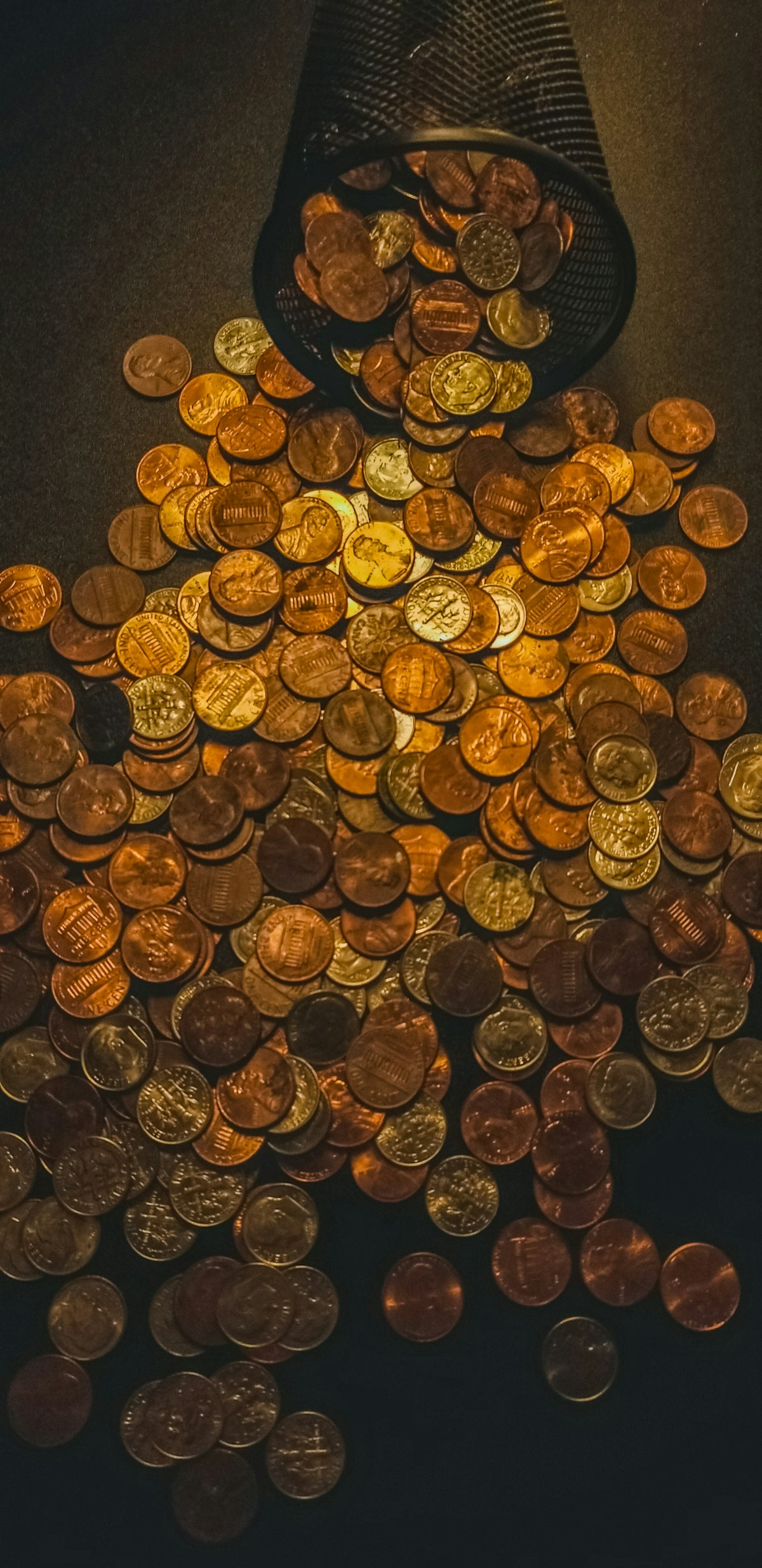
Penny hunting offers better quantity but lower individual values. Per $25 box (2,500 pennies), expect perhaps 50-100 wheat cents, mostly common dates from the 1940s-1950s worth 3-5 cents each. The valuable finds like 1909-S, 1914-D, or 1931-S appear perhaps once per hunter’s lifetime across tens of thousands of coins.
Nickels hide occasional silver war nickels (1942-1945 with large mint marks) and the rare 1950-D. Dimes and quarters rarely yield silver anymore, though some hunters still find occasional 1964 and earlier dates.
Time Investment Reality Check
Here’s the honest math. Searching a $25 box of pennies takes approximately 1-2 hours for a careful examination. Your expected finds might total $2-5 in value for common wheat cents. That works out to roughly $1-5 per hour in “finds” before accounting for gas, banking time, and the effort of transporting heavy coin boxes.
Half dollars offer better per-hour returns when you find silver, but silver finds have dropped dramatically as previous generations of hunters have already extracted most circulating pieces. Many hunters report searching 5-10 boxes between silver finds, representing 5,000-10,000 coins.
If your goal is purely financial, coin roll hunting in 2025 rarely competes with minimum wage employment. The honest answer is that most hunters continue for reasons beyond profit.
Best Denominations to Hunt
Half dollars remain the denomination of choice for silver hunting. They circulate less frequently than other denominations, and some silver pieces still surface from old hoards. Each 40% silver half contains about $3-4 in silver value, while 90% halves run $8-10 depending on silver prices.
Pennies offer the best variety hunting. The 1982 transition year included both copper and zinc compositions in large and small date varieties. 1983 and 1984 doubled die varieties, while scarce, can bring $50-100. Error coins appear more frequently in penny rolls than other denominations.
Nickels reward patient hunters with occasional Jefferson varieties, buffalo nickels, and silver war nickels. Dimes and quarters rarely produce significant finds anymore, though some hunters still search them for mint errors and varieties.
Where to Get Boxes
Most banks order coin boxes directly from armored car services or the Federal Reserve. Customer-wrapped rolls from bank lobbies often contain better finds than machine-wrapped rolls, as they may include coins from older collections. However, they’re also more likely to have been previously searched by bank employees.
Building relationships with bank staff helps. Some hunters have tellers set aside unusual-looking coins or older rolls. Small banks and credit unions sometimes receive coins less frequently searched than major national banks.
Avoid buying coins from known reroll artists who search coins and repackage them in customer wrappers to fool hunters. Experienced hunters learn to recognize rerolled coins by tight wrapping, specific crimping patterns, or suspiciously clean coin edges.
What to Look For
Beyond silver content, train yourself to spot valuable varieties. The 1955 doubled die Lincoln cent, worth $1,000+, shows clear doubling in the date and lettering. The 1972 doubled die is more affordable but still brings $50-100. The 1995 doubled die features prominent doubling in “LIBERTY.”
Error coins include off-center strikes, clipped planchets, die breaks, and wrong planchet errors. A penny struck on a dime planchet can bring hundreds of dollars. Die cracks and cuds add modest premiums to otherwise common coins.
Learn your key dates by series. For Lincoln cents: 1909-S, 1909-S VDB, 1914-D, 1922 no D, 1931-S, 1943 copper, 1944 steel. For Jefferson nickels: 1939-D, 1950-D, all silver war issues. For half dollars: any 1964 or earlier, Franklin halves 1948-1963, Walking Liberty halves.
The Community and Hobby Aspect
Here’s where coin roll hunting truly pays dividends. Online communities on Reddit, YouTube, and dedicated forums share finds, celebrate successes, and commiserate over silver droughts. The social aspect keeps many hunters engaged long after the economics become questionable.
The hobby provides structured leisure time. Many hunters describe the meditative quality of sorting through coins, the satisfaction of a well-organized search system, and the genuine thrill when something valuable appears. These intangible benefits don’t show up in hourly wage calculations.
Families hunt together, teaching children about history, math, and patience. Finding a wheat penny with a grandchild creates memories worth more than the coin’s three-cent premium.
Is coin roll hunting worth your time at $15 per hour? Financially, probably not. As a hobby that provides relaxation, community, educational value, and occasional exciting discoveries, many hunters find it absolutely worthwhile. The key is honest expectations: treat it as a hobby that sometimes pays small rewards rather than a money-making venture.


Stay in the loop
Get the latest collectors coin corner updates delivered to your inbox.