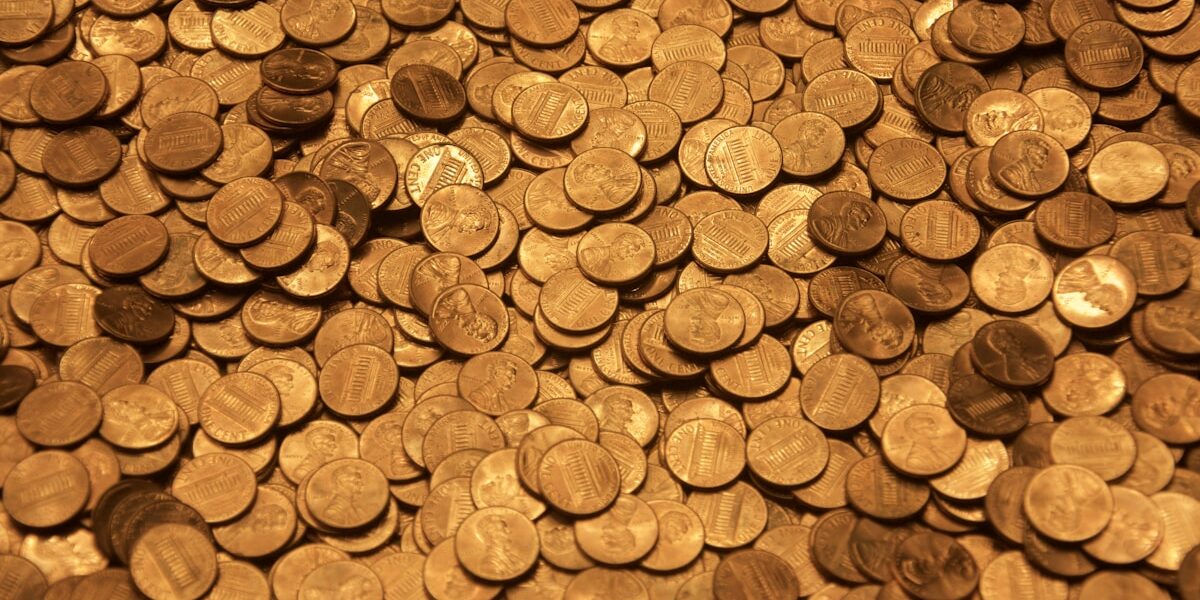

You just dug up an old coin—now what? Identifying coins found metal detecting is part science, part detective work. That crusty disc covered in dirt could be a common wheat penny or a valuable colonial copper worth thousands.
This guide covers everything you need to know about identifying the old coins you find while metal detecting, from initial cleaning to determining value.
Step 1: Initial Assessment (Don’t Clean Yet!)
Critical Rule: Never aggressively clean a coin before you know what it is. Cleaning can destroy value—a coin worth $1,000 can become worth $10 after improper cleaning.
What to Look For First
- Size: Measure diameter in millimeters
- Metal color: Copper, silver, gold, or bronze tone?
- Edge: Smooth, reeded (ridged), or lettered?
- Thickness: Thick like a half dollar or thin like a dime?
- Any visible design elements: Eagle, portrait, shield, date?

Step 2: Gentle Initial Cleaning
For initial identification only—use only these safe methods:
- Rinse with distilled water (not tap water—mineral deposits can damage coins)
- Gently rub with wet fingers to remove loose dirt
- Pat dry with soft cloth—don’t rub
- Use a magnifying glass to examine details
Do NOT:
- Use metal brushes or abrasives
- Soak in chemicals without knowing the metal type
- Scrub with toothbrush (even soft bristles can scratch)
Step 3: Identify by Size
Common U.S. Coin Sizes
| Denomination | Diameter | Edge |
|---|---|---|
| Cent (modern) | 19.0 mm | Plain |
| Large Cent (1793-1857) | 27-29 mm | Plain |
| Nickel | 21.2 mm | Plain |
| Dime | 17.9 mm | Reeded |
| Quarter | 24.3 mm | Reeded |
| Half Dollar | 30.6 mm | Reeded |
| Dollar (Morgan/Peace) | 38.1 mm | Reeded |
Step 4: Identify by Design
U.S. Penny Designs
- Lincoln Wheat (1909-1958): Lincoln portrait, wheat ears on reverse
- Indian Head (1859-1909): Native American headdress design
- Flying Eagle (1856-1858): Eagle in flight—rare!
- Large Cents (1793-1857): Various Liberty head designs, larger than modern pennies
U.S. Dime Designs
- Roosevelt (1946-present): FDR portrait
- Mercury (1916-1945): Winged Liberty head (often mistaken for Mercury god)
- Barber (1892-1916): Liberty with cap
- Seated Liberty (1837-1891): Liberty seated on rock
U.S. Quarter Designs
- Washington (1932-present): George Washington portrait
- Standing Liberty (1916-1930): Liberty standing with shield
- Barber (1892-1916): Liberty with cap
- Seated Liberty (1838-1891): Liberty seated design
Step 5: Check the Date
Key Dates That Mean Value
Wheat Pennies:
- 1909-S VDB: $700-$2,000+
- 1914-D: $200-$500+
- 1922 No D: $500-$1,000+
- 1931-S: $40-$100+
- 1955 Double Die: $1,000-$10,000+
Mercury Dimes:
- 1916-D: $500-$2,000+
- 1921: $50-$200+
- 1921-D: $75-$300+
Standing Liberty Quarters:
- 1916: $2,000-$10,000+
- 1918/7-S: $1,500-$5,000+
Step 6: Determine if It’s Silver
Quick Silver Tests
U.S. coins that contain silver:
- Dimes, quarters, half dollars dated 1964 or earlier = 90% silver
- Kennedy half dollars 1965-1970 = 40% silver
- War nickels 1942-1945 (with large mint mark above Monticello) = 35% silver
Visual Test: Look at the edge. Silver coins are solid silver color throughout. Clad coins show a copper stripe.
Weight Test:
- Silver quarter: 6.25 grams
- Clad quarter: 5.67 grams
- Silver dime: 2.5 grams
- Clad dime: 2.27 grams
Step 7: Research and Value
Free Resources
- NGC Coin Price Guide: ngccoin.com/price-guide
- PCGS CoinFacts: pcgs.com/coinfacts
- USA Coin Book: usacoinbook.com
- CoinTrackers: cointrackers.com
When to Get Professional Grading
Consider professional grading (PCGS or NGC) if:
- The coin appears to be a key date
- It’s in excellent condition (minimal wear)
- Initial research suggests value over $100
- You want to sell the coin
Common Finds and What They’re Worth
| Find | Typical Value | Notes |
|---|---|---|
| Common wheat penny | $0.05-$0.25 | Check date for key dates |
| Indian Head penny | $1-$10 | More in better condition |
| Silver Roosevelt dime | $2-$3 | Silver melt value |
| Mercury dime | $3-$10 | Check for 1916-D! |
| Silver Washington quarter | $5-$7 | Silver melt value |
| Barber dime/quarter | $5-$50+ | Condition critical |
| Large cent | $20-$100+ | Date/type dependent |
What If You Can’t Identify It?
If the coin is too worn or corroded to identify:
- Post photos to forums: TreasureNet, DetectorProspector, Reddit r/metaldetecting
- Visit a local coin shop: Most will identify for free
- Join a metal detecting club: Experienced members love helping identify finds
- Use Google Lens: Take a photo and search—surprisingly effective
Protecting Your Valuable Finds
- Don’t carry loose in pocket: Coins scratch each other
- Use 2×2 cardboard flips: Cheap protection for organization
- Store in dry location: Humidity causes corrosion
- Never store in PVC holders: PVC damages coins over time
Found something interesting? Share your find photos in the comments below!

Stay in the loop
Get the latest collectors coin corner updates delivered to your inbox.